

Which Formats Leverage Which Theories?
Mapping educational formats and adult learning theories

Welcome to our 56th newsletter! As with prior newsletters, I’ve highlighted what I find to be the critical pearls within each abstract and called out my #TOPPICK(s)!
But let’s begin with a truly fascinating exploration of the alignment of adult learning theories with the educational formats we use in CPD.
In my role as the host of JCEHP’s Emerging Research in CPD podcast I has the opportunity to interview Drs. Adrienne Madhavpeddi and Jessica Walter to discuss their research publication, From Theory to Practice: Evaluating the Integration of Adult Learning Theory in Continuing Medical Education Activities.
You can subscribe to the podcast via Apple Podcasts or Spotify Podcast.
Here is a summary of their research and our conversation:
The degree to which learning theories are integrated within CME activities is widely understudied despite their interwoven relationship and association to provider preferences. This analysis aims to (1) evaluate the degree various CME models integrate learning theory; (2) identify theory-led strengths and limitations of each CME model; and (3) extrapolate themes for CME planners to strengthen theory integration. Integration of learning theory across 7 CME models was evaluated through a content analysis using a trichotomous classification system (fully integrated, partially integrated, or no integration). Results varied, with Project-ECHO and live simulations having the highest degree of theory integration. A thematic analysis identified five themes for improving theory integration including feedback mechanisms, structured self-reflection, adaptability to promote autonomy, repeat exposure to complex skills, and practice of humility.
Here are the formats they explored and what they found:
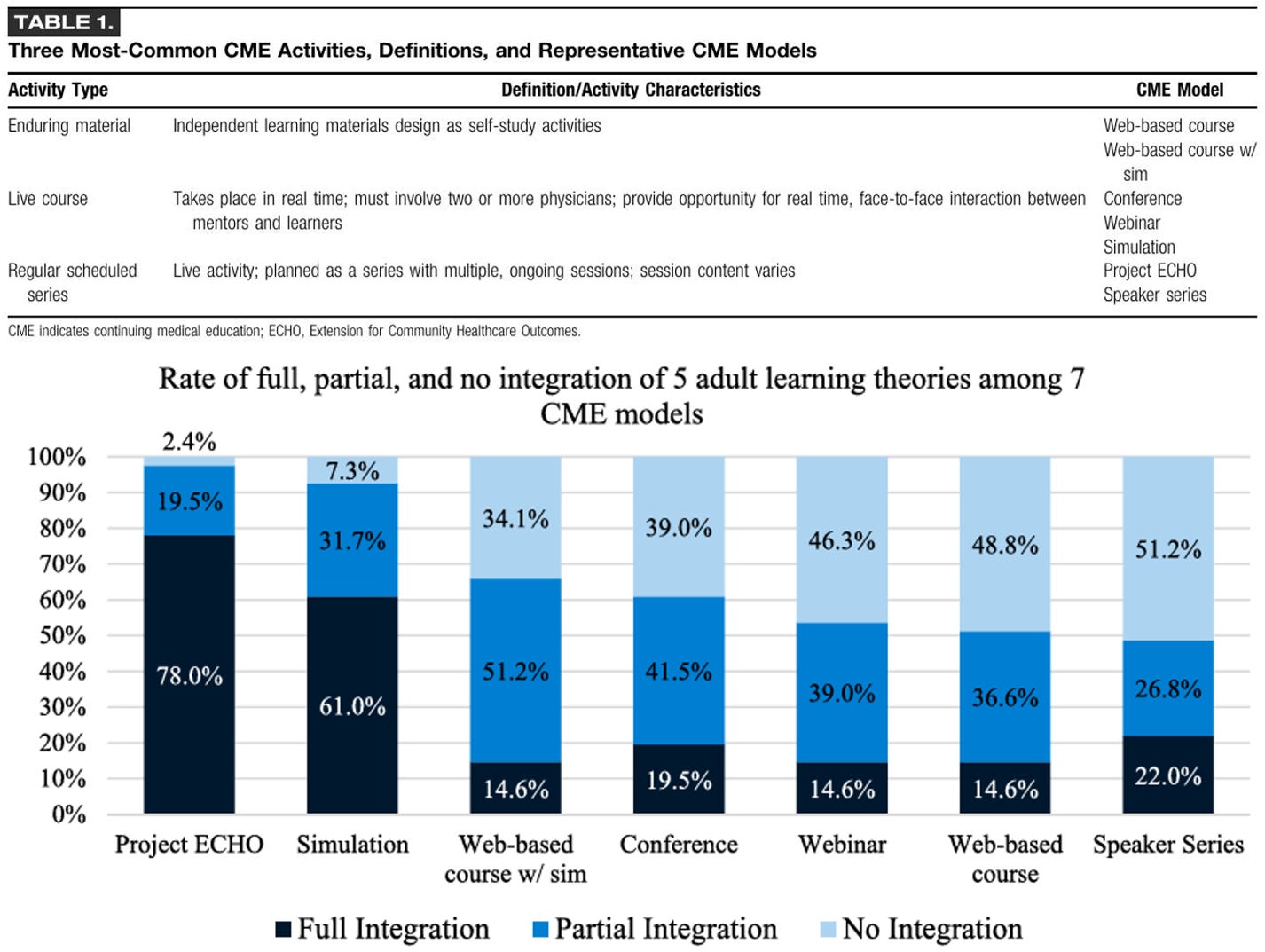
As with most publications in JCEHP, the authors simplify their research into three Lessons for Practice:
Purposeful integration of adult learning theory within CME models may enhance provider engagement, interprofessional collaboration, and practice adoption.
CME programs that incorporate longitudinal interaction, meaningful feedback, and opportunities for self-reflection demonstrate stronger alignment with adult learning principles.
Intentional program design that balances accessibility, adaptability, and mentorship may improve outcomes across diverse CME formats.
…now back to our regularly scheduled programming 📺📺📺
Learning & Change Science:
Does Q&A Boost Engagement? #TOPPICK
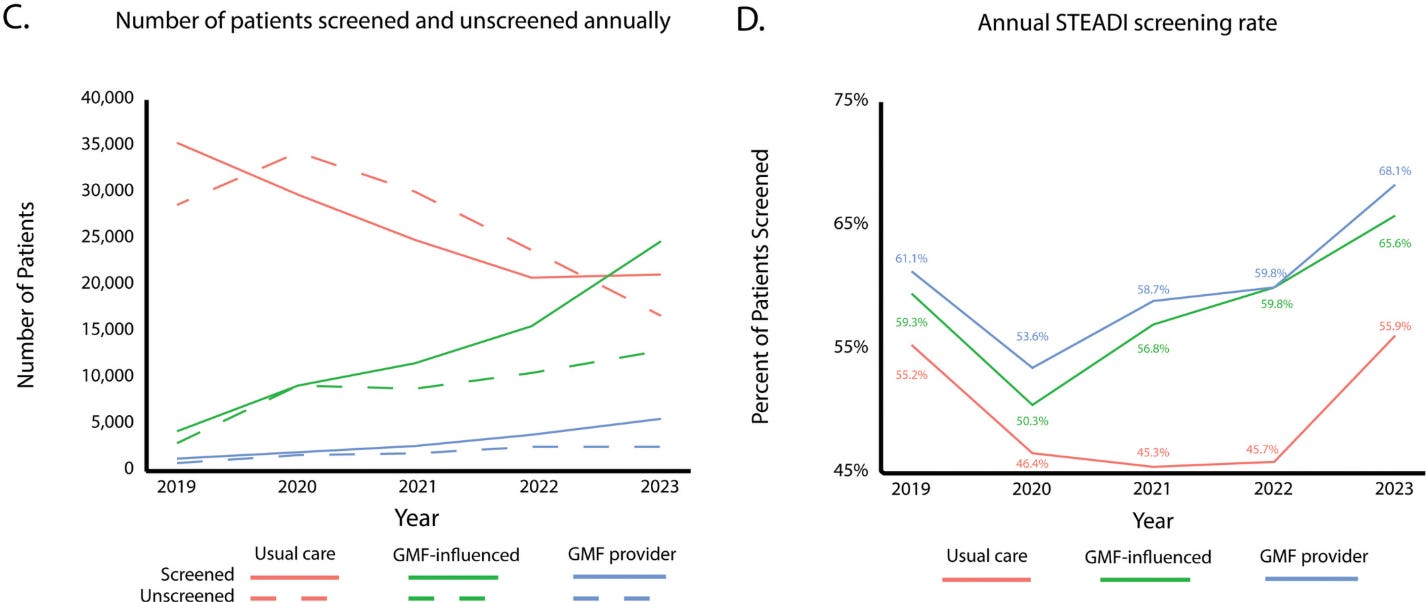
Effective information sharing is critical for the success of organizations and gov-ernments. Because information that is easy to access is more likely to be adopted, leaders often minimize friction in information delivery. However, one type of friction may increase engagement: piquing curiosity by posing relevant questions prior to sharing information. To test this, we shared identical information about COVID-19 in either question-and-answer format or via direct statements across two preregistered field experiments in Ghana and Michigan. Q&A-style communication increased information seeking about directly related topics (e.g., how to wear a mask properly) by 1.0 percentage point (216%) in Ghana and by 1.1 percentage points (19%) in Michigan and increased self-reported behavior change by 1.3 percentage points (4%) in Michigan. However, sharing information in Q&A format did not increase interest in general COVID-19 information in either setting, suggesting that the impact of Q&A-style messaging on information seeking may be issue specific. In Michigan, both Q&A-style and direct statement messaging produced less information seeking than sending no informational messages, likely because of differential attrition: the more texts participants received, the more likely they were to opt out of receiving messages, which made it impossible for them to seek more information via text. In a follow-up implementation experiment with social media ads (a messaging strategy without attrition challenges), Q&A-style ads generated 9%–11% more unique clicks to the CDC website per dollar spent than ads that directly stated information about vaccines. We speculate that Q&A-style information delivery may stimulate curiosity, driving its benefits. Related interview with the authors.Universal fall risk screening as a first step to address falls has been endorsed in primary care but remains challenging due to competing clinical priorities and insufficient training. We studied the impact of our geriatric continuing medical education program, the Geriatric Mini-Fellowship (GMF), on the uptake of fall risk screening in primary care over a 5-year period. We hypothesized that primary care providers (PCP) with exposure to the GMF program would be more likely to implement fall risk screening than PCPs without direct or indirect program exposure. We identified 133,068 patients ≥ 65 years of age who received care at primary care clinics in a large health system. Each year, we retrospectively assigned patients to one of three groups based on their provider’s exposure to the GMF program. Groups included patients seen by: GMF providers who completed GMF training. GMF-influenced providers who practiced at a clinic with at least one GMF provider. Usual care providers who neither completed GMF training nor worked at a clinic with a GMF provider. GMF providers were associated with a greater predicted probability of screening patients for fall risk compared to usual care providers each year. Further, this screening advantage increased over time (2019: 5.8%, 2023: 12%). Our data supports intensive fall risk education on screening through a geriatrics training program to implement sustained fall risk screening in primary care. Screening is the first step in identifying high-risk patients, which can enable assessment of modifiable risk factors and lead to targeted interventions.
Using interactive learning activities to predict learning outcomes in medical education: a mixed-methods study
Active learning methods are increasingly used in medical education to enhance engagement and retention; however, limited evidence links performance on embedded formative assessments to summative examination outcomes in large-group pre-clinical settings. Interactive Learning Activities (ILAs) incorporating low-stakes quizzes were implemented in a first-year Cardiopulmonary-Renal (CPR) systems course. This study aimed to determine whether ILA quiz performance was associated with summative examination outcomes and to explore student perceptions across academic performance tiers. A sequential explanatory mixed-methods study was conducted across two academic years (2022: n = 156; 2023: n = 160). ILAs included pre- and post-session quizzes, contributing 5% to the final course grade. Linear regression and correlation analyses examined associations between mean ILA quiz scores and summative examination performance. The ILA quiz scores demonstrated consistent moderate-to-strong positive correlations with overall examination performance in both cohorts (2022: R = 0.641; 2023: R = 0.672). Combined analysis confirmed a stable association (R = 0.632). Association was evident early in the semester, by the 6th ILA. Survey responses (25.6% response rate) indicated generally positive perceptions of ILAs. Lower-performing students reported comparatively high perceived learning benefits, whereas middle-tier students more frequently expressed concerns about quiz-related stress and workload (p < 0.05 for selected items). Qualitative themes highlighted engagement, retrieval practice, and timely feedback as strengths, with graded timing and stress as primary concerns. Performance on low-stakes ILA quizzes was consistently associated with summative examination outcomes in a large-group pre-clinical course. Embedded formative assessments may serve both instructional and early indicator functions, supporting early identification of students who may benefit from additional academic support.Learning strategies, study behaviors, and academic performance among medical students: A cross-sectional study #TOPPICK
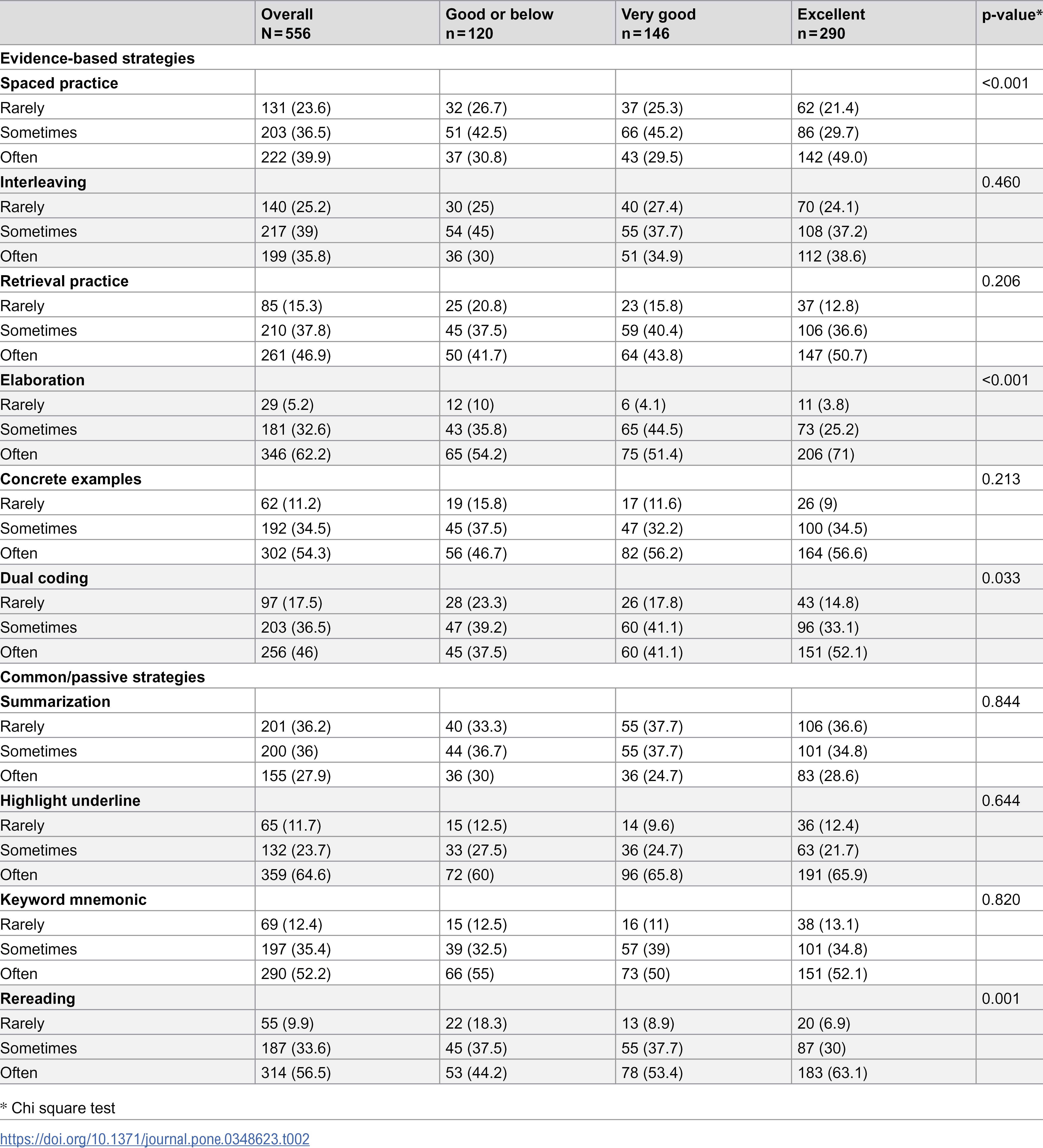
Academic performance in medical education is influenced by multiple factors, including learning strategies and study behaviors. However, the extent to which these factors are associated with academic performance remains unclear. This study aimed to describe the frequency of learning strategies and examine their associations with academic performance among medical students, with emphasis on evidence-based strategies. A cross-sectional anonymous online survey was conducted among medical students. Learning strategies were assessed using ten items rated as rarely, sometimes, or often. Composite indices were constructed for overall, evidence-based, and common/passive strategies. Academic performance was categorized as excellent, very good, or good or below. Group comparisons were performed using chi-square tests and ANOVA, and multivariable logistic regression identified factors associated with excellent performance. Among 556 respondents, 52.2% reported excellent performance. Evidence-based strategies showed a graded increase across performance groups and were independently associated with higher odds of excellent performance (aOR 1.47, 95% CI 1.16-1.86), whereas common/passive strategies were not. These findings suggest that evidence-based learning strategies are associated with better academic performance, supporting their potential role in medical education. However, the findings are exploratory rather than causal.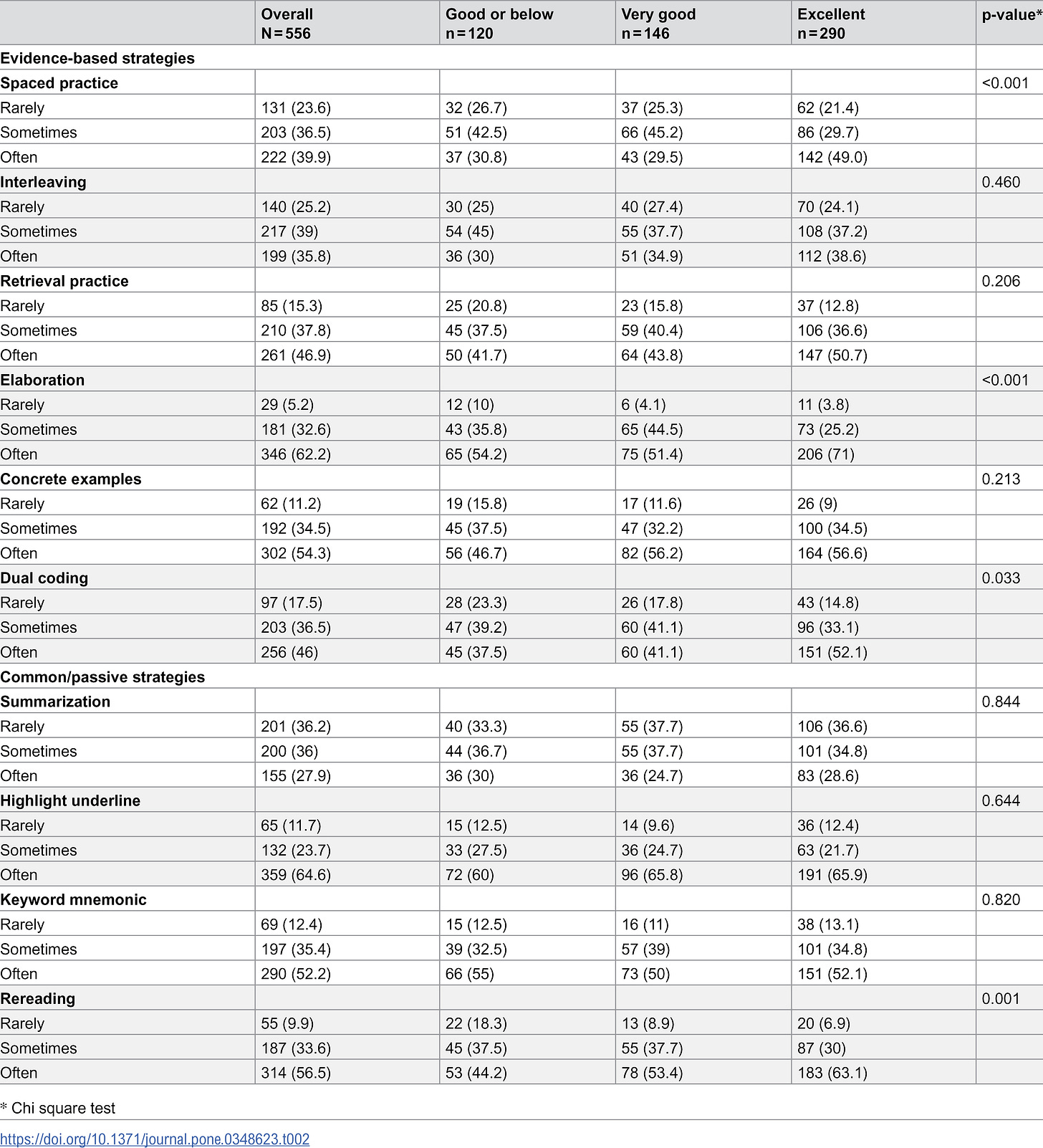
Supporting Self-Regulated Learning in Medical School: A National Survey
Physicians must continuously update their knowledge and skills to maintain competency, yet the self-regulated learning (SRL) skills required for lifelong learning are not innate and must be learned from the start of medical training. Learning plans (LPs) are an effective SRL support strategy but are inconsistently used in undergraduate medical education (UME). How best to support lifelong learning for medical students and sustain it after graduation remains unclear. A national cross-sectional survey of 17 Canadian UME programs was conducted between November 2023 and January 2024 to determine how they are supporting SRL skill development, whether they use LPs to do so, and identify barriers and facilitators to LP use. Data were analysed using descriptive and qualitative content analyses. Of the total, 10 of 17 (59%) UME programs responded to the survey. Schools use different terminology when talking about SRL and approach SRL and LP implementation in variable ways. Eight schools (80%) currently use LPs, mainly for struggling students. Barriers to LP use for students and faculty include a lack of SRL skills, LP development training, time, engagement, guidance, and feedback. Facilitators include SRL skills training, using a framework for goal setting and LP development, as well as co-creation with faculty. Canadian UME programs demonstrate a diversity in approaches and strategies for SRL support. However, standardized evidence-based practices are needed to enhance SRL skill development for both students and faculty and optimize the use of LPs, not just within the context of remediation but as a proactive tool for lifelong learning success for all.
genAI/LLMs:
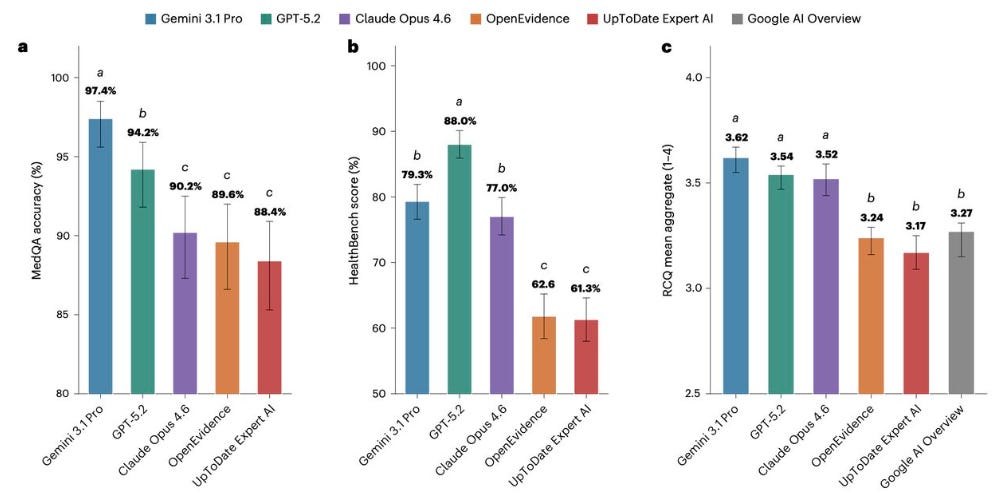
General-purpose large language models outperform specialized clinical AI tools on medical benchmarks #TOPPICK
Specialized clinical artificial intelligence (AI) tools are entering medical practice despite scarce independent evaluation. We quantitatively evaluate two clinical AI tools, OpenEvidence and UpToDate Expert AI, built on large language models (LLMs) against three frontier LLMs: GPT-5.2, Gemini 3.1 Pro and Claude Opus 4.6. Our evaluation has three stages: (1) 500 MedQA questions testing medical knowledge, (2) 500 HealthBench items measuring alignment with clinicians and (3) the real clinical queries (RCQ) benchmark, built from 100 de-identified queries from physicians to a general-purpose language model in a live clinical environment. For the RCQ benchmark, 12 US clinicians performed randomized, blinded review of model outputs, producing 1,800 model–question annotations. Frontier LLMs outperformed clinical AI tools in all three evaluations. Clinical AI tools performed comparably to auto-enabled Google Search AI Overview on the RCQ. These findings highlight the need for independent, real-world evaluation of AI tools before they enter clinical settings.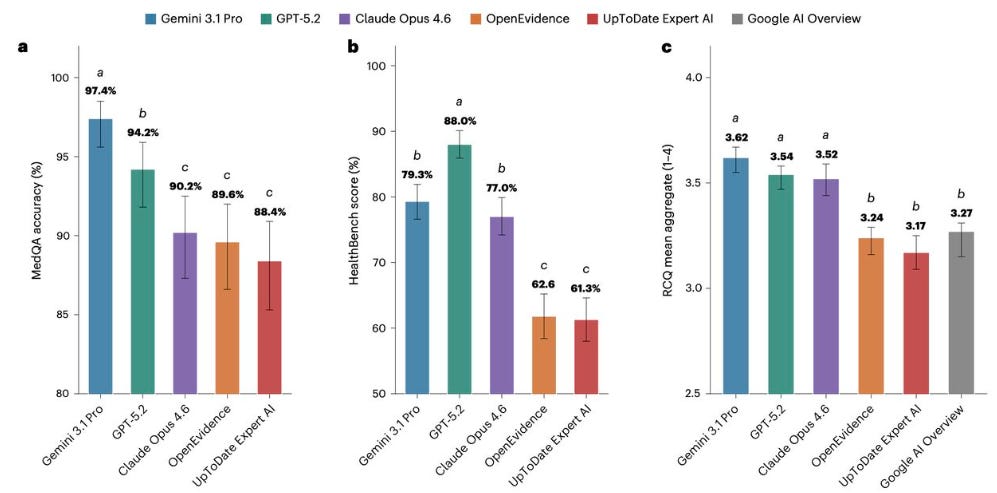
Subsequent to this publication, thers has been substantial debate about what the study actually means, whether the methods were appropriate, and whether the authors were fully transparent
Between Incremental Change and Transformation: The Emerging Role of Generative AI in Continuing Professional Development Within Health Care Systems
Generative Artificial Intelligence (GenAI) tools are reshaping professional education by enabling tailored content generation, automating tasks, and enhancing creative output. While widely studied in undergraduate and postgraduate education, little is known about their role in Continuing Professional Development (CPD), where professionals function as system-level educational leaders rather than learners. A cross-sectional international survey (March-June 2025) explored GenAI adoption among CPD professionals. Using the validated Generative Artificial Intelligence Acceptance Scale and the Artificial Intelligence Attitude Scale, the study examined performance expectancy, effort expectancy, facilitating conditions, social influence, and general attitudes toward Artificial Intelligence. Quantitative data were analyzed descriptively and inferentially, and qualitative open-ended responses were analyzed using reflexive thematic analysis. A total of 110 respondents from 14 countries participated. Most reported moderate to high familiarity and comfort with GenAI, with frequent users demonstrating significantly greater confidence and perceived proficiency. Performance expectancy was high, particularly regarding efficiency and productivity, but lower for complex problem-solving. A proportion of respondents expressed undecided positions, indicating transitional stages of adoption. Qualitative analysis revealed three overarching themes: (1) adoption and utilization, (2) personal perspectives, and (3) perceived challenges and benefits. CPD professionals view GenAI as an augmentative tool that enhances efficiency and creativity rather than replacing human expertise. While individual readiness is high, sustainable adoption depends on institutional support, structured training, and ethical integration. This study provides novel insights into GenAI adoption at the CPD system level and highlights the importance of engaging the “undecided” to move from incremental use to meaningful transformation.Artificial intelligence-assisted feedback in pharmacology education: a pilot evaluation of a custom generative model
Timely, individualised feedback is central to effective learning in medical education but remains resource intensive, particularly when based on short answer questions (SAQs). Large language models (LLMs) offer potential to support feedback provision, yet prospective evaluations of their accuracy and educational value remain limited. This pilot study evaluated the feasibility, accuracy and student perceptions of AI-generated pharmacology SAQ feedback. A prospective pilot study was conducted within a UK Physician Associate MSc programme between March and October 2025. Students were invited to complete voluntary four-question formative pharmacology SAQs. A bespoke custom Generative Pre-trained Transformer (GPT), built using GPT-4 family LLM, guided by a standardised rubric and references, generated structured feedback. All outputs underwent faculty moderation prior to release. Student perceptions were assessed using a 5-point Likert-scale survey. 25% of student responses were double marked and independently reviewed in a blinded comparison of AI and faculty feedback. Twenty students submitted complete responses, generating feedback for a total of 80 questions. Mean AI feedback generation time was 34 s per quiz, compared with 508 s for faculty marking, representing a 15-fold reduction. Twelve of 20 (60%) feedback files required no modification before release, while eight required amendments, including four major corrections, even with faculty modification there was substantial efficiency gains from AI generated feedback.Ambient AI Scribes to Create Educational Feedback Notes for Medical Students: Randomized Trial
High-quality observation and feedback contribute to the development of clinical competence and professional growth in medical education. Faculty often struggle to translate verbal observations into written feedback because of documentation burden and competing demands. Ambient artificial intelligence (AI) scribes, already adopted in clinical practice, may address this challenge by capturing verbal exchanges and generating structured notes. The purpose of this study was to examine the use of ambient AI scribes to generate educational feedback notes during a formative medical interviewing workshop for first-year medical students in March and April 2025. Thirteen instructors were randomized to control (human-only) or intervention (AI scribe-assisted) workflows to complete narrative feedback forms. The intervention group used an AI scribe to generate transcripts of student-instructor encounters, which were then summarized into feedback notes using a large language model and edited by the instructors before submission. All narratives were scored using the Evaluation of Feedback Captured Tool (EFeCT). Factual accuracy of a subsample of unedited AI feedback summaries was reviewed against the source transcripts. EFeCT scores on the scale from 0 to 5 were higher for human-edited AI narratives and unedited AI summaries than for human-only narratives. Human-only narratives were shorter than AI-assisted outputs (P<.001). Review of 117 AI-generated feedback elements showed a 6.8% (n=8) mischaracterization and 1.7% (n=2) hallucination rate, with most errors corrected during editing. An ambient AI scribe-assisted workflow improved the quality of written narrative feedback with no observed increase in instructor effort compared to human-only documentation. Although occasional inaccuracies required review, this innovation has the potential to transform feedback documentation.Harnessing ChatGPT for SBA question writing: a novel approach to medical student learning
The introduction of the Medical Licensing Assessment (MLA) requires UK medical graduates to pass two 100-item single best answer (SBA) question papers. Access to high-quality question banks is often restricted by expensive paywalls, evolving guidelines, and institutional safeguarding of questions for future assessments. This limits students' ability to practice exam-style questions and develop their clinical reasoning. During this study, two medical students used ChatGPT to produce a bank of 100 SBA questions which were representative of those used in the MLA. Questions were analysed and revised by a student and a member of a university assessment team. A critical review of ChatGPT's benefits was conducted to determine the scope for application in both self-directed learning and formal medical school assessment. ChatGPT successfully formulates clinical vignettes and accompanying SBA questions in less than 50% of the time taken to generate a comparable question, when written by a clinical educator. It is, however, not yet reliable enough to be used without expert supervision or direct correlation with current medical guidelines. Both medical students and clinical educators will benefit from ChatGPT's ability to rapidly compose SBA questions that emulate those used in medical school exams, provided they remain conscious of the risk of false clinical recommendations. The acquisition and implementation of our question bank by a leading commercial medical education provider confirms the value of ChatGPT generated SBA questions as a resource for medical students preparing for the UKMLA.
#socialQI/Social Media:
Scrolling for science: Assessing the quality and accuracy of Crohn’s disease-related content on Instagram reels
There is a concerning trend of misinformation of healthcare related content on social media. Recent studies have examined themes and narratives about Crohn’s disease but have not quantitatively assessed the accuracy and quality of content on Instagram Reels. Our aim was to assess the quality and accuracy of Instagram Reels about Crohn’s disease and examine differences in content by type of creator, from medical professionals to lay individuals. Seventy-eight top-viewed English-language Instagram Reels tagged with “#crohns” were evaluated. Videos were categorized by creator and content type. Two reviewers evaluated each video for accuracy and quality using an adapted harm/benefit score and the Journal of the American Medical Association (JAMA) benchmark criteria, respectively. Seventeen percent of videos were created by medical professionals and 83% by non-medical users. Educational content was significantly more common among medical professionals than other content creators (62% vs 23%; P = 0.005). No significant correlation was found between engagement metrics and either JAMA or harm/benefit scores. Medical professionals had significantly higher JAMA scores than non-medical users (2.5 vs 2, P < 0.001), but there was no significant difference in harm/benefit scores between groups (0 vs 0, P = 0.9601). Videos offering medical advice had the lowest median harm/benefit score (-1), with frequent misinformation noted. Forty-two percent of harmful videos were created by medical professionals. The average Instagram Reel about Crohn’s disease was of moderate quality and neutral impact. Accuracy or quality was unrelated to video popularity. While videos by medical professionals had higher JAMA scores, this did not correspond to greater accuracy. Medical advice videos by medical professionals were not more accurate than those by non-medical creators, and multiple harmful videos were created by medical professionals, underscoring the need for critical evaluation of Crohn’s disease-related social media content.Lung cancer education on social media: use patterns and content preferences from a cross-sectional study
Social media is increasingly used by patients, caregivers, and clinicians to access and share cancer-related information. This study examined how individuals use social media for lung cancer education and their preferences. A cross-sectional survey was conducted on Instagram using interactive story features (polls, open-response questions) over three weeks (August to September 2025). Voluntary participation implied consent. Respondents provided demographic data and responses about social media use, content preferences, trust, and impact. Among 182 respondents, 37% were patients, 31% caregivers, 23% clinicians, and 9% others; most were female (78%), ages 25-44 years (65%) and living in North America (75%). Social media use for lung cancer information was common, particularly on Instagram, with 66% following cancer-related accounts. Respondents preferred content from patients/survivors and practicing clinicians. Short videos/reels, patient stories, and infographics were the most favored formats, with 97% reporting diagrams/animations improved understanding; 93% reported trust in social media content and that posts improved clarity on cancer types and treatments; 70% self-reported that social media influenced a behavior and 67% reported it increased confidence in discussing care. Open response answers highlighted social media as a source of education, hope, peer connection, empowerment, and timely updates, and interest in future content on emerging therapies, conference insights, care navigation, survivorship, and personalized topics. Respondents frequently sought information from clinicians, with concise visual formats, and reported tangible benefits for confidence and health behaviors. Social media may offer a scalable platform for delivering real-time education on lung cancer.
General Themes
Advancing Professionalism in Continuing Education: Development and Early Outcomes of Accreditation Council for Continuing Medical Education Certificate Assessments #TOPPICK
Continuing education (CE) professionals play a central role in maintaining the integrity, independence, and operational quality of accredited CE programs, yet the workforce lacks standardized mechanisms to demonstrate applied competence in accreditation and data stewardship. The Accreditation Council for Continuing Medical Education developed two certificate programs, Standards for Integrity and Independence in Accredited CE and Data Management in Accredited CE, each culminating in a competency-based, remotely proctored assessment. Assessment development included blueprinting, expert review, pilot testing with novices and CE professionals, classical item analysis, and empirical performance-based standard setting using pilot performance data. Each assessment included scenario-based multiple-choice items and a single open-response item. Reliability and item performance were evaluated in the initial operational cohort. In the first cohort, 118 participants completed the Standards assessment and 76 completed the Data Management assessment. Mean scores were 80.1 (range 29-97) and 84.9 (range 46-99), with 80% and 84% meeting the predetermined passing standard. Internal consistency was high for the Standards assessment (KR-20 0.89) and acceptable for Data Management (KR-20 0.69). Open-response responses showed consistent identification of core problems but greater variability in systems-level planning and communication strategies. Learner feedback was positive, with >80% indicating they would recommend the programs and reported difficulty consistent with applied, judgment-based assessment. Early findings provide validity evidence supporting certificate-based assessments as a practical approach to verifying applied competence among CE professionals and may help professionalize the CE workforce by offering defensible, role-specific markers of competence.Innovative technologies in psychiatry education: a systematic review
The rapid integration of innovative technologies into healthcare education has reshaped how medical training is delivered. While simulation-based learning, virtual reality (VR), and gamified platforms are well established in other specialties, their use in psychiatry education remains limited. Given the increasing demand for interactive methods that suit digitally oriented learners, this review evaluates the effectiveness of these technologies in psychiatry training. A systematic review was conducted in accordance with the PRISMA guidelines. We searched PubMed, Scopus, ScienceDirect, Cochrane, and PsycINFO to identify eligible randomized and non-randomized trials up to May 2025. Inclusion criteria required studies involving medical students, residents, or physicians using technology-based interventions such as VR, virtual patients (VPs), serious games, high-fidelity simulation (HFS), or mobile applications. We included only studies that reported quantitative educational outcomes (e.g., knowledge, skills, diagnostic accuracy, confidence). Out of 2,005 initial records, nine studies met the inclusion criteria. Interventions included VPs (n = 4), HFSs (n = 2), comprehensive clinic simulators (n = 1), VR simulations (n = 1), and gamified mobile microlearning (n = 1). Most studies demonstrated positive short-term effects on knowledge, diagnostic accuracy, skills, confidence, and empathy. Virtual reality simulations reduced stigma and increased empathy toward patients with psychosis, while high-fidelity simulations significantly improved procedural skills such as electroconvulsive therapy (ECT). However, evidence of sustained learning and long-term outcomes was inconsistent. Future research should focus on large-scale, well-controlled trials that assess long-term effectiveness, cost-efficiency, and integration into curricula. Overall, innovative technologies represent a valuable complement to traditional psychiatry education and warrant broader adoption and evaluation.Educational Interventions to Reduce Cancer Diagnostic Delays in Primary Care: A Scoping Review
Diagnostic delays contribute to poorer outcomes in cancer care. Because most symptomatic patients enter the healthcare system through general practice, educational interventions for primary care teams could lead to earlier investigation, referral, and follow-up. We mapped educational interventions in primary care designed to reduce diagnostic delays for cancer and described their formats, targeted behaviours, outcomes, and gaps. Sixteen publications representing ten distinct intervention programmes were included. Interventions ranged from brief clinician teaching and educational outreach to simulation-based mastery learning, national or regional continuing medical education programmes, whole-practice workshops, and education bundled with electronic decision support or electronic safety-netting tools. Most evaluations reported improvements in clinician competence, confidence, or process proxies (for example, documentation quality or diagnostic activity). Only a small number of studies assessed time-based outcomes such as primary care interval or total diagnostic interval, and effects were mixed or null; several digital interventions were further constrained by workflow misfit and low uptake. Educational interventions in primary care can improve behaviours relevant to earlier cancer diagnosis, but evidence for reductions in diagnostic delays remains limited. Future work should integrate education with practice systems, use standardised interval definitions, and evaluate timeliness and equity outcomes. This review synthesises evidence to inform curriculum design and continuing professional development for primary care teams, focusing on teachable behaviours (diagnostic reasoning under uncertainty, safety-netting, and appropriate thresholding for investigation/referral) that can shorten diagnostic intervals for cancer.
ReTHINK Provoking Publication:
Seeing and Improving Care: The Next Frontier of Quality Measurement #TOPPICK
Quality measurement changed medicine. For much of the 20th century, quality was assumed rather than examined. Physicians were trained and licensed. Hospitals were accredited. These structures created confidence but not accountability. When we began to measure care systematically, a different picture emerged—substantial variation, missed opportunities, and a gap between what we knew and what we did. Revealing that gap was progress, and those who committed decades to that effort deserve recognition. What we built mattered.“For the first time, we have the data, computational capacity, and analytic tools to build a fundamentally different kind of measurement system.”
The next frontier is different. It is not about producing more reports or better scorecards. It is about building systems that see the whole patient; serve accountability, improvement, and discovery all at once; and understand care deeply enough to intervene before failure occurs. Systems that provide greater visibility into what patients experience and a deeper understanding of their journey and needs. Systems that can engage with the gray areas; that assess decision-making under uncertainty with nuance and judge quality not by numerators and denominators but by whether the right thinking happened for the right patient at the right moment. Not to scold. To assist. That was the promise from the beginning, and it is now within our reach.
As always, don’t forget to review and subscribe to our JCEHP podcast: Emerging Best Practices in CPD.